Emergency Dental Care: What to Do When You Need Urgent Treatment
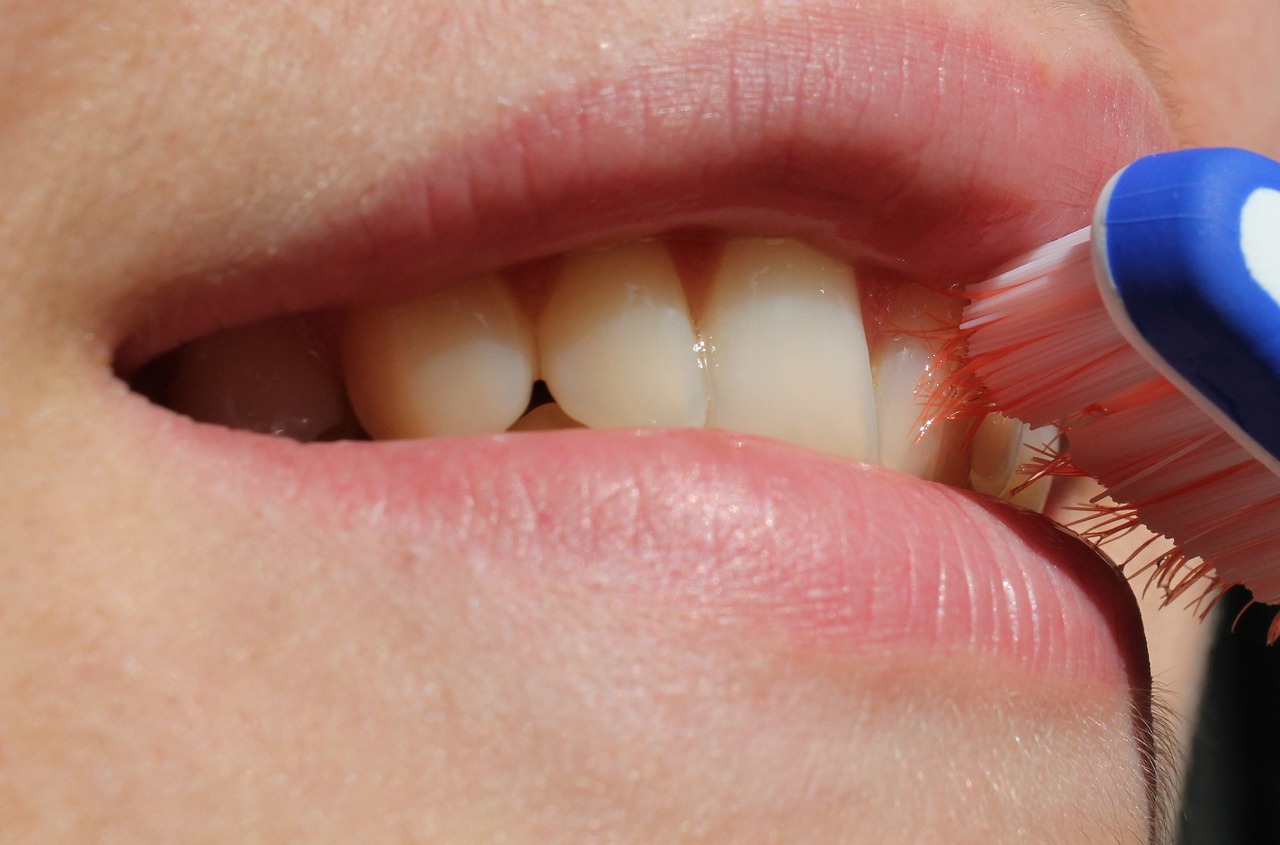
When a dental emergency strikes, it can be a painful and stressful experience. Whether you chip a tooth while enjoying your favorite snack or wake up in the middle of the night with unbearable tooth pain, knowing how to handle these situations is crucial. Here, we will guide you through what to do when you need urgent dental care. Stay calm, because help is on the way.
Assess the Situation
 The first step in dealing with a dental emergency is to assess the situation. Take a moment to evaluate the severity of your condition. Are you experiencing intense pain, swelling, or bleeding? Is there visible damage to your teeth or mouth? If you have knocked out a tooth or broken a significant part of it, this may require immediate attention from a dentist. On the other hand, minor issues like food stuck between teeth can often be resolved at home.
Manage Pain
When faced with a dental emergency, managing pain is often a top priority. Toothaches can be excruciating and make it difficult to focus on anything else. If you find yourself in this situation, there are a few steps you can take to help alleviate the discomfort. One of the first things you can do is rinse your mouth with warm salt water. This can help reduce inflammation and provide some relief. Over-the-counter pain medication like ibuprofen or acetaminophen can also help control the pain until you can see a dentist. Applying a cold compress to the outside of your cheek near the painful area may also help numb the area and reduce swelling.
Contact Your Dentist
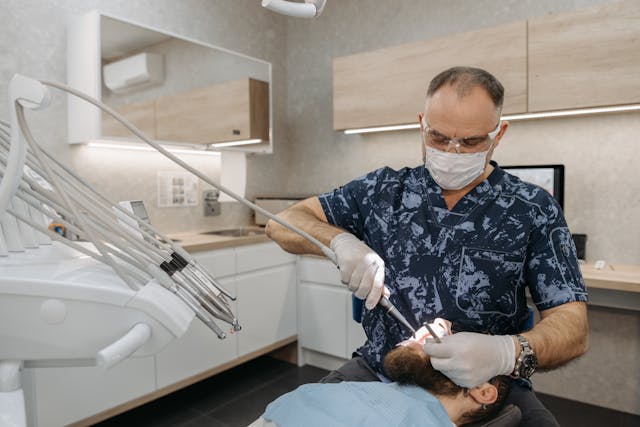
When faced with a dental emergency, one of the first things you should do is contact your dentist immediately. Your dentist knows your dental history and will be able to provide personalized advice on how to proceed. Whether it’s a severe toothache, a knocked-out tooth, or any other urgent issue, reaching out to your dentist is crucial. Most dental practices are known to have protocols in place for handling emergencies. Even if it’s late at night or during the weekend, don’t hesitate to call – many dentists offer emergency services or can direct you to someone who does. Time is often of the essence when it comes to dental emergencies, so prompt action is key.
Control Bleeding
 When it comes to dental emergencies, controlling bleeding is crucial. This can happen due to trauma, tooth extraction, or other dental procedures. The first step is to remain calm and apply gentle pressure to the affected area with a clean gauze or cloth. Avoid using tissues, as they can leave behind fibers that may irritate the wound.
If bleeding persists after applying pressure for 10-15 minutes, consider using a tea bag – its tannic acid helps promote clotting. Rinsing your mouth with salt water can also help cleanse the area and prevent infection while aiding in clot formation. Avoid hot beverages and foods that could aggravate the wound. Remember, when it comes to emergency dental care, staying calm and acting swiftly can make all the difference. You can ensure you receive the urgent treatment you require by assessing the situation, contacting your dentist promptly, managing pain effectively, and controlling bleeding. In times of dental emergencies, preparation is key. Keep your dentist’s contact information handy and understand how to handle common issues like toothaches or injuries. Remember that timely action can help minimize discomfort and prevent further complications. So, next time you need emergency dental care, remember these steps to take control of the situation and get the treatment you need as quickly as possible.